Let's address the elephant, or should we say, the cow, in the room.
When news of the India-US trade deal broke, with tariffs dropping from a crushing 50% to a manageable 18%, WhatsApp groups across rural India lit up like Diwali. The big question? "Will American milk flood our markets? Will our farmers be left out in the cold?"
Commerce Minister Piyush Goyal stepped up to the mic with a message that was crystal clear: Not on my watch.
The Red Line That Will Never Be Crossed
Here's what Goyal said, and we need you to really hear this: India will NEVER compromise on the dairy sector. Full stop. No negotiations. No backdoor deals. No fine print loopholes.
Agriculture and dairy aren't just economic sectors in India, they're the backbone of rural India. They're about livelihoods, dignity, and the 140 crore dreams that wake up every morning in our villages. Goyal made it abundantly clear that these sectors have been "red lines" in every single trade deal India has ever negotiated, and this one with the US is absolutely no exception.
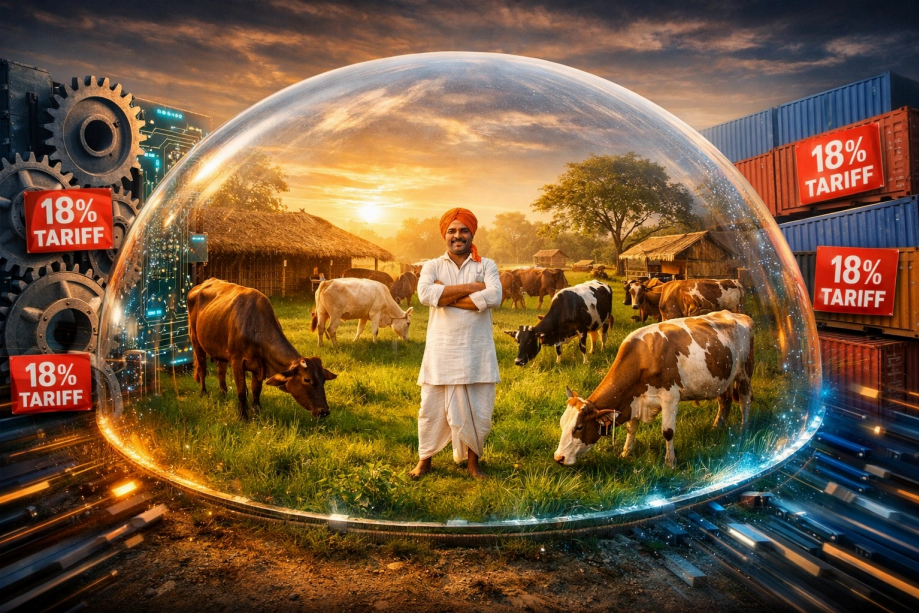
Think of it like this: You're renovating your house. You're open to new furniture, maybe a fresh coat of paint, even knocking down a wall or two. But the foundation? That stays untouched. That's exactly what agriculture and dairy are to India's economy, the foundation we build everything else on.
So What's Actually Protected? (Spoiler: Pretty Much Everything That Matters)
Let's break down the safety net, because it's more comprehensive than you might think!
The 18% tariff reduction that everyone's talking about? It applies to industrial goods, tech products, engineering equipment, and textiles. You know what it doesn't touch? Your milk. Your wheat. Your rice. Your dairy farm.
The protective walls around sensitive agricultural products remain as tall and sturdy as ever. We're talking about:
• Dairy products (milk, paneer, ghee, yogurt, the whole family)
• Staple crops (rice, wheat, pulses)
• Animal husbandry (because those cows aren't just milk machines; they're family)
Goyal emphasized that these protections extend across the entire agricultural ecosystem, including
fisheries and animal husbandry. This isn't a narrow shield, it's a comprehensive fortress around India's food security and rural economy.
Debunking the Fear: Will US Milk Really Flood Our Markets?
Short answer? No.
Long answer? Absolutely not, and here's why.
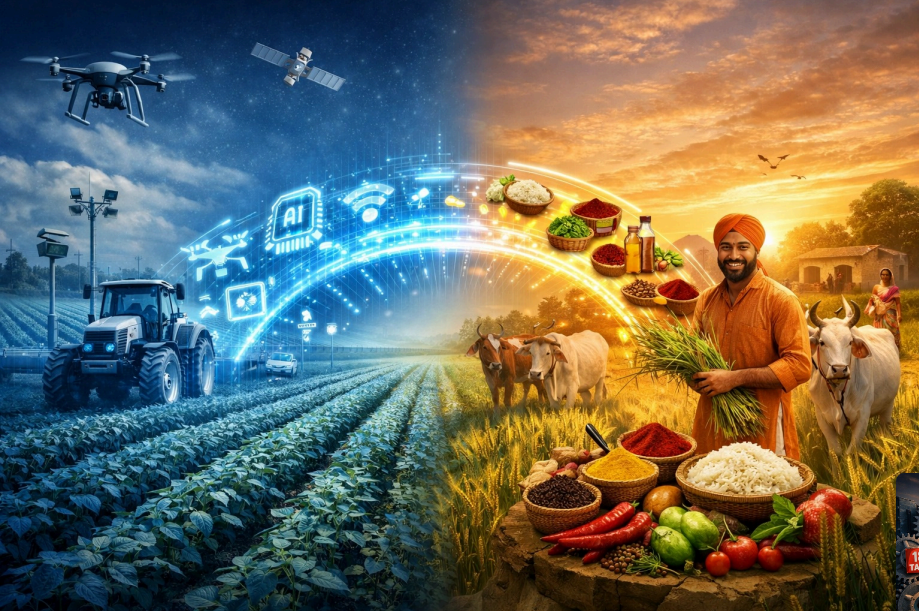
The fear that American dairy products will suddenly appear on every street corner in India is based on a fundamental misunderstanding of how this trade deal actually works. The agricultural and dairy sectors aren't just "protected", they're completely excluded from the tariff reductions framework.
Think about it logically: Why would the US even want to ship fresh milk halfway across the world when India is already the world's largest milk producer? We produce over 220 million tonnes of milk annually. Our dairy industry employs over 80 million farmers. We've got this covered!
What's more, cultural consumption patterns matter. Indian consumers prefer fresh, locally-sourced dairy. The idea of processed, long-shelf-life American milk replacing our local doodhwala? That's not happening. Not economically viable, not culturally relevant, and certainly not part of this trade deal.
The Real Benefits: What Farmers Are Actually Getting
Now here's where it gets exciting! Just because we're not importing their milk doesn't mean our farmers aren't winning big from this deal. Let's talk about the real opportunities that are opening up:
1. Access to World-Class Agricultural Technology
American precision agriculture is some of the best in the world, and now it's going to be more accessible and affordable for Indian farmers! We're talking about:
• AI-driven crop monitoring systems that can predict yields and detect diseases early
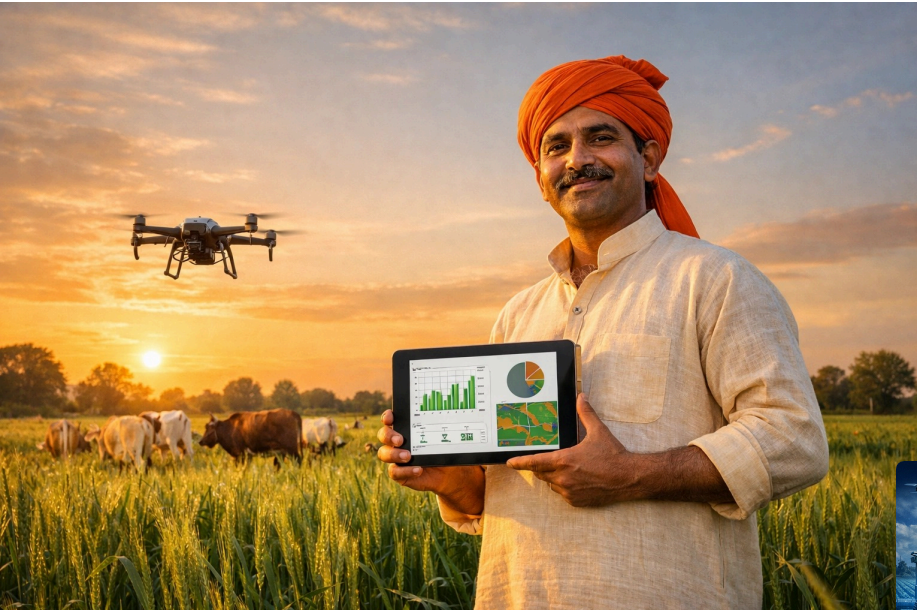
• Drone technology for efficient pesticide spraying and field analysis
• Soil sensors that optimize water and fertilizer use
• Weather prediction tools that help farmers plan better
With reduced tariffs on tech imports, these game-changing tools become more affordable for our agricultural sector. Imagine a Punjab farmer using satellite imagery to optimize his wheat crop, or a Maharashtra sugarcane farmer using precision irrigation controlled from his smartphone!
2. Cheaper Machinery and Farm Equipment
Here's a practical win: Agricultural machinery and equipment will become more affordable. Tractors, harvesters, processing equipment, all of this gets easier to import or manufacture with imported components at lower costs.
This isn't about replacing Indian manufacturing; it's about enhancing it. Indian companies can now integrate better technology at lower costs, creating superior products for our farmers.
3. Market Access for Indian Specialty Products
While we're protecting staples, we're opening doors for specialty exports! India's organic produce, spices, processed foods, marine products, and leather goods now have better access to American markets.
Think about the possibilities:
• Organic turmeric from Telangana reaching US health food stores
• Basmati rice (already a premium product) getting even better market access
• Marine exports from Kerala and Tamil Nadu expanding significantly
• Processed mango products, pickles, and ready-to-eat Indian foods gaining traction
Goyal specifically highlighted that farmers, fishermen, and agricultural workers will benefit from these expanded opportunities. The deal isn't just about what we're protecting, it's also about what we're positioning to win globally.
4. Energy and Fertilizer Cost Benefits
Here's something that doesn't get talked about enough: The deal includes better access to American energy products. For agriculture, this could translate to:
• More affordable fertilizer inputs (many fertilizers are petroleum-based)
• Better access to advanced bio-fertilizers and sustainable farming inputs
• Lower energy costs for irrigation and processing
When input costs go down, farmer margins go up. It's that simple!
The GTC Perspective: Village Chaupal Meets Silicon Valley
At GTC Network, we've always believed in one thing: Modernizing without losing our roots. And that's exactly what this trade deal represents for Indian agriculture.
We're not replacing the village cow with a robot. We're not turning our farms into soulless tech hubs. What we're doing is bringing technology to the village chaupal, not bulldozing the chaupal itself.
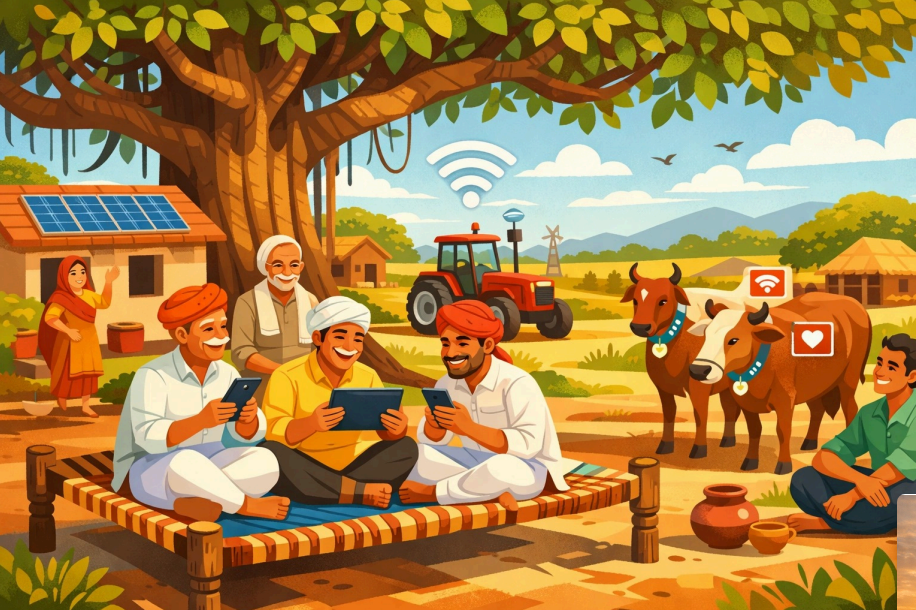
Picture this: A farmer in Ludhiana, sitting under his neem tree, using his smartphone to check soil moisture levels, market prices, and weather forecasts, all while his cattle graze peacefully nearby. That's the future we're building. Tradition enhanced by technology, not replaced by it.
This is why we're going digital-first with platforms like GTC Punjabi, GTC News, and Punjabi Shorts. We believe in using AI and modern tools to amplify our culture, not dilute it. The same principle applies to agriculture. Use American precision farming tech? Absolutely! Stop respecting our cows and our land? Never!
What This Really Means for Rural India
Let's zoom out for a moment and look at the bigger picture, because it's pretty spectacular!
The agricultural protections in this deal mean that over 80 million dairy farmers can sleep peacefully at night. Their livelihoods are secure. Their dignity is intact. Their contribution to India's economy remains valued and protected.
But simultaneously, those same farmers, and millions more in other agricultural sectors, now have access to:
• Better technology at lower costs
• New export markets for specialty products
• Cheaper inputs for improved productivity
• Modern tools that make farming more profitable and less backbreaking
This is the definition of a win-win scenario. We've protected what needed protecting while opening doors that needed opening. It's strategic, it's smart, and it's exactly the kind of negotiation India needs to be doing on the global stage.
The Bottom Line: Protection AND Progress
Piyush Goyal's statement wasn't just political rhetoric, it was a commitment backed by actual policy frameworks. The India-US trade deal represents a mature, sophisticated approach to international trade that recognizes both vulnerabilities and opportunities.
We're saying yes to:
• American technology that makes our farms smarter
• Market access that makes our specialty products more competitive
• Energy deals that make our inputs more affordable
• Innovation that keeps Indian agriculture relevant in the 21st century
We're saying no to:
• Any compromise on dairy sector protection
• Market flooding that threatens local producers
• Short-term gains that create long-term dependencies
• Deals that sacrifice farmers for corporate interests
That's leadership. That's vision. That's exactly what India needs.
At GTC Network, we'll continue bringing you the real story behind the headlines: the stories that matter to our community, told in a way that respects both tradition and progress. Because whether it's Punjabi media or Indian agriculture, the future isn't about choosing between heritage and innovation. It's about blending them brilliantly.
Stay tuned, stay informed, and stay confident! Our cows, our crops, and our culture are all protected: and all positioned to thrive.
🇮🇳 🐄 🌾 🚀
Want to stay updated on how trade policies affect our community? Follow GTC Network for sharp analysis delivered with heart!