Thursday, 17th of September 2026






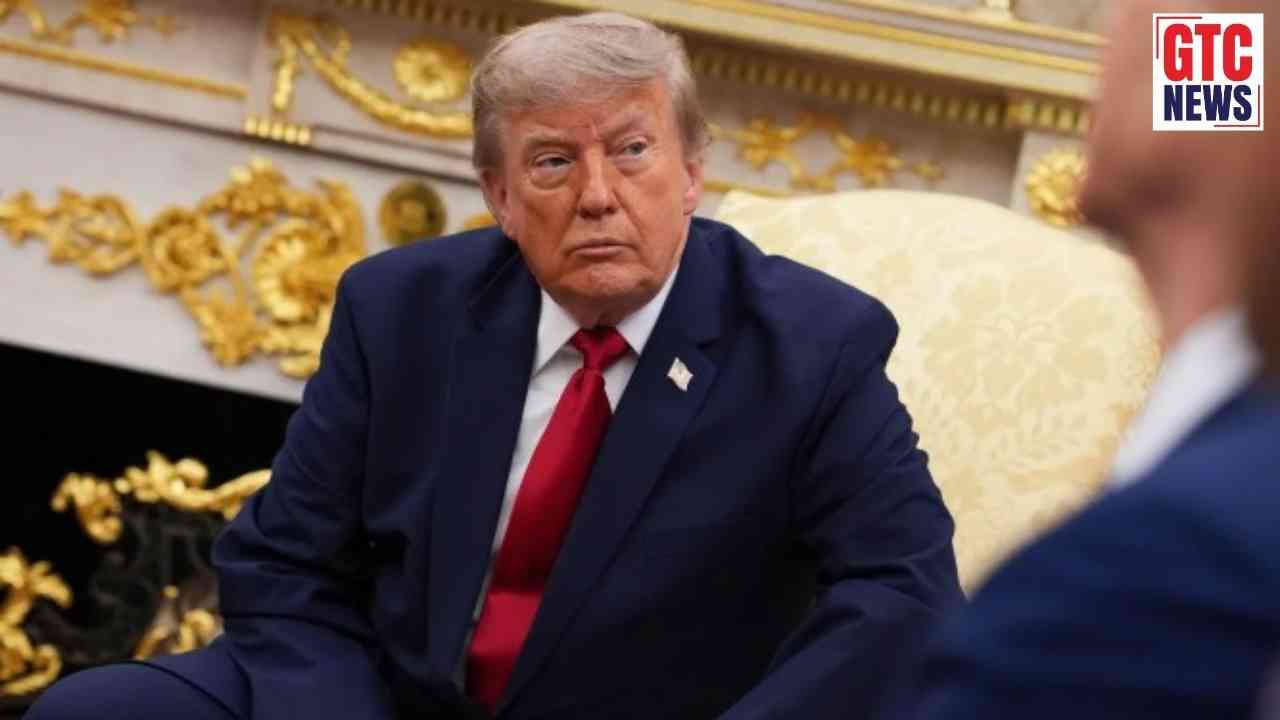
Trump warns "hostile act" could trigger "very heavy tariffs" on Europe as Canada seeks closer EU ties
Charlotte (North Carolina) , September 17 (ANI): US President Donald Trump on Wednesday (local time) warned that EU could face "very heavy tariffs” if he considers its actions to be a “hostile act,” as Canada seeks to reduce its economic dependence on the United States and strengthen ties with the European Union amid escalating trade tensions.
Speaking to reporters upon his arrival in Charlotte, Trump said, "Canada's into a terrible trade practice. And now, I will say this: if they do that, if I think it's a hostile act, I will put very serious tariffs, or stop trading with Europe on many things."
"And so, if they do that, if Europe does that with a bad intention--because if it's a good intention, that's fine. If it's a bad intention, we'll put very heavy tariffs on Europe," he added.
This comes as European Commission President Ursula von der Leyen on Wednesday invited Canada to become the European Union's first "associate member", signalling a push by Brussels and Ottawa to deepen economic and strategic ties amid growing uncertainty in transatlantic trade relations.
"I invite Canada to be the first associate member of the EU," von der Leyen said during her State of the Union speech here.
Canada is not eligible for full EU membership under the bloc's treaties, which restrict membership to European states.
Against that backdrop, the proposal for an "associate member" represents a possible new framework for closer cooperation between Canada and the 27-member bloc.
Von der Leyen also proposed moving beyond the existing Canada-EU trade relationship towards a broader strategic partnership.
“We will move from CETA to an Alliance for the Future. To create a common prosperity and economic security space," she said.
The Comprehensive Economic and Trade Agreement, or CETA, was agreed between Canada and the EU in 2016 and has been provisionally applied since 2017.
The agreement significantly reduces tariffs and provides a framework for expanding trade and investment between the two sides.
Under the proposed "Alliance for the Future", von der Leyen said cooperation could extend well beyond trade. She cited a possible "tech alliance" and a "defence industrial base", as well as an "Arctic joint project".
She also pointed to closer cooperation in strategic sectors, including energy, critical minerals and batteries, alongside emerging technologies and security issues such as AI, quantum technologies, cyber security and economic security.
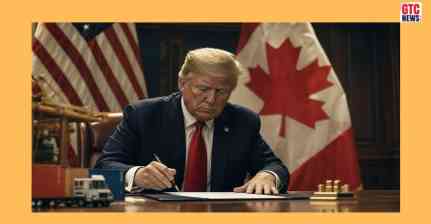
The proposal comes as Canada and the EU seek to strengthen economic resilience amid heightened uncertainty in global trade, including recent tensions between Ottawa and Washington under US President Donald Trump's trade policies.
Canada has been particularly exposed to changes in US trade policy because of the depth of economic integration between the two North American economies.
The trade relationship has faced renewed strains as the Trump administration has pursued tariffs and threatened further measures affecting Canadian exports.
Against this backdrop, Ottawa has sought to diversify its international trade and economic partnerships, while European governments have also been looking to strengthen supply chains and reduce strategic vulnerabilities. (ANI)
Source: ANI
 Read More...
TAGS






 Add GTC NEWS on Google